In 2008, while I was working in Taiwan as an expatriate, a massive financial crisis erupted, triggered by the Lehman collapse and the failure of U.S. subprime mortgages. Hsinchu Science Park (新竹科學園區) in Hsinchu, Taiwan, home of TSMC, had until then been full of energy and hope, with engineers from the U.S., Japan, and Europe and sales reps from around the world, including me. But when the financial crisis hit, foreign expats drained back to their home countries like a receding tide. The hotels they had stayed in went bankrupt, rents on luxury apartments plunged, and upscale restaurants and bars closed one after another. Sadly, I too had to return to Korea in early 2009. Had it not been for the 2008 financial crisis, I might still be living in Taiwan, working in the semiconductor industry.
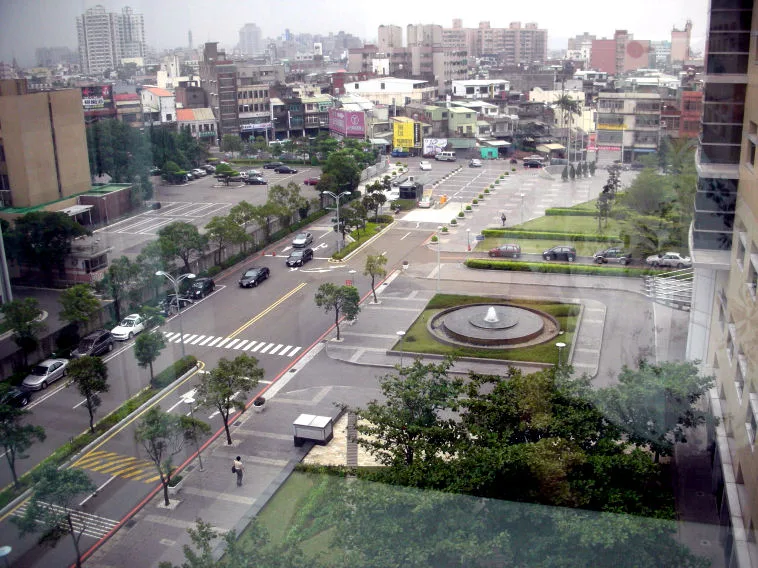
View of Hsinchu Science Park from the window of the author’s expat office in 2008
Against this backdrop, the Chinese government launched a domestic-demand stimulus policy called 'Home Appliances to the Countryside' (家電下鄕). For rural residents in western China, more than 700 million people, it subsidized 15-30% of the price of four major appliances: color TVs, washing machines, refrigerators and mobile phones. While Japanese and Korean washing machines were selling in Shanghai and Beijing, the Chinese appliance maker 'Haier' was expanding sales of low-priced washing machines in the western regions, a niche market, and the government's 'Home Appliances to the Countryside' policy gave its sales a huge boost.
Then something baffling happened. The number of washing machines with clogged drain pipes began to climb sharply. When the dispatched service technicians checked the cause of the failures, they were stunned. Customers had been washing soil-covered work clothes together with sweet potatoes, potatoes, cabbages, and radishes. Soil, roots, and peels clogged the drain pipes, and key parts such as the motor began to fail as well.
"They’re washing sweet potatoes and potatoes in a washing machine..."

Suppose you were the customer service manager at Haier, Sanyo, or LG in 2008, tasked with solving this mass washing machine failure. What would you do? Most would beef up the manual and strengthen customer education, right? Around the same time in the U.S., an elderly woman put her cat in a microwave to dry its fur, with tragic results. The microwave maker had not warned in its manual that cats must not go in a microwave, and paid damages of several billion Korean won. Taking the microwave case as a lesson, Japan’s Sanyo and Korea’s LG made their manuals even thicker and launched a campaign telling Chinese farmers, “A washing machine is for washing clothes. Do not wash farm produce in it.” While carrying out these measures, Sanyo and LG probably also looked down on the farmers, thinking, “Farmers in developing countries don’t even know how to use a washing machine properly.”
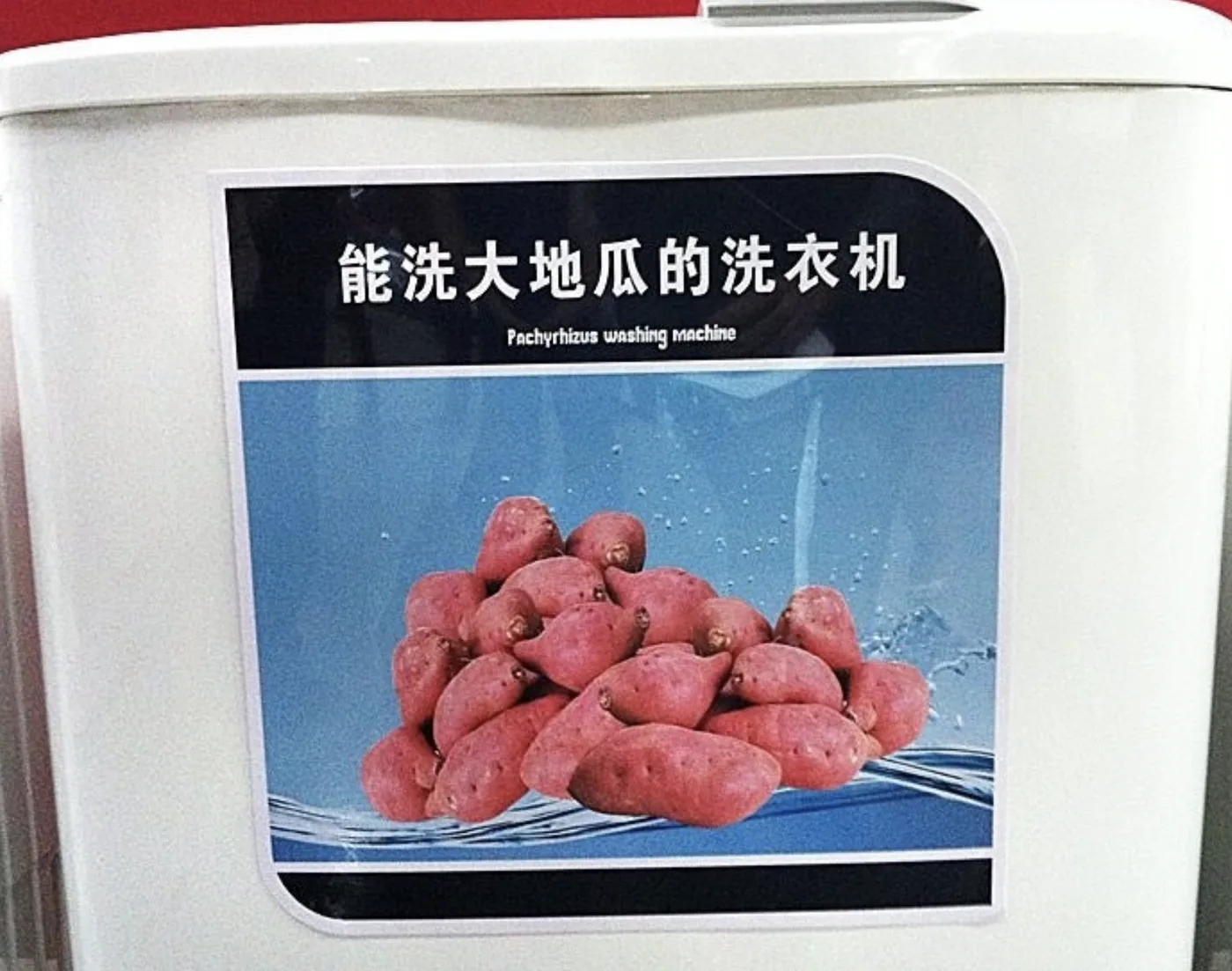
Haier’s sweet potato washing machine
Ta-da! This is where innovation happened. Haier, a Chinese company, launched the washing machine that Japanese and Korean makers had never imagined. It began with a simple question: "Why should a washing machine only wash clothes? Shouldn't it also handle muddy work clothes and freshly harvested produce, to suit how customers actually use it?" Established electronics makers, stuck in their ways, couldn't even imagine this. Haier enlarged the drain pipe, added a filter and strainer, and upgraded the motor, creating a “sweet potato washing machine” that could handle sweet potatoes.
As companies grow, they often fall into complacency, ignore the voice of the customer, and become convinced they can reshape the market on their own. Look at Kodak, which dominated the camera and film market with innovative film but stubbornly ignored digital and collapsed almost overnight. Or Nokia, which was first to perfect the concept of the smartphone but could not give up its comfortable conventional mobile phone business, and sank like a government bureaucracy. If we keep dismissing Haier, now the world’s No. 1 home appliance maker, as an upstart that grew fast on low prices and government support, can we really claim to have the flexible mind that bigger change and innovation will demand?
Remember!
"Why should a washing machine wash only clothes? Shouldn’t it be able to wash soil-covered work clothes and harvested produce, to fit how customers actually use it?"
To be continued