Have you heard of STP? It is the most basic foundation of marketing. For over ten years I have run marketing training and mentoring for startup founders preparing to launch or already operating. After learning about a founder's business idea, my first question is always "Who is your customer?" Once the customer is clear, we set priorities by market and build the approach and action plan step by step. But every so often I hear this:
"My customer is everyone. My dream is to make a product that works for every market and every person."
Some people say that. What do you think? I think it is literally a 'dream'. Can you build a product that satisfies everyone?
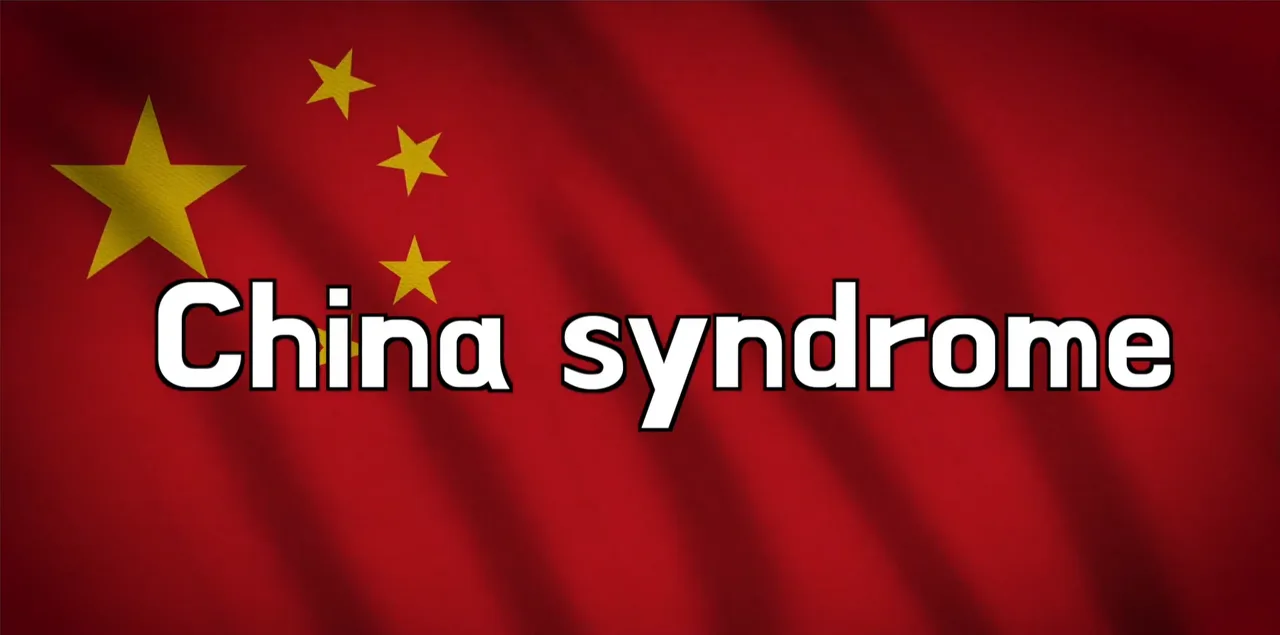
There is an interesting economics term related to this: the China Syndrome. When I worked in China as an expatriate, Koreans who knew little about China would sometimes joke over drinks, "China has 1.5 billion people, so if we sell just one KRW 1,000 (≈ US$1) item to each, we make KRW 1.5 trillion (≈ US$1,122,250,500)." The Chinese friends at the table would scoff. They said China must be approached like 'Europe'. The Chinese are different peoples with different histories, tendencies and languages. Even CCTV, China's state broadcaster, needs subtitles. So the strategy of selling the same product to every Chinese person for one big hit is wrong. The illusion that one cosmetic product can win over men, women and every age from teens to sixties is exactly the China Syndrome. If you have something to sell, you must define who you will sell it to through STP strategy. Incidentally, the joke that a nuclear reactor meltdown in the US would burn down through the earth's crust all the way to China is also called the China Syndrome. Both meanings share the sense of being utterly absurd.
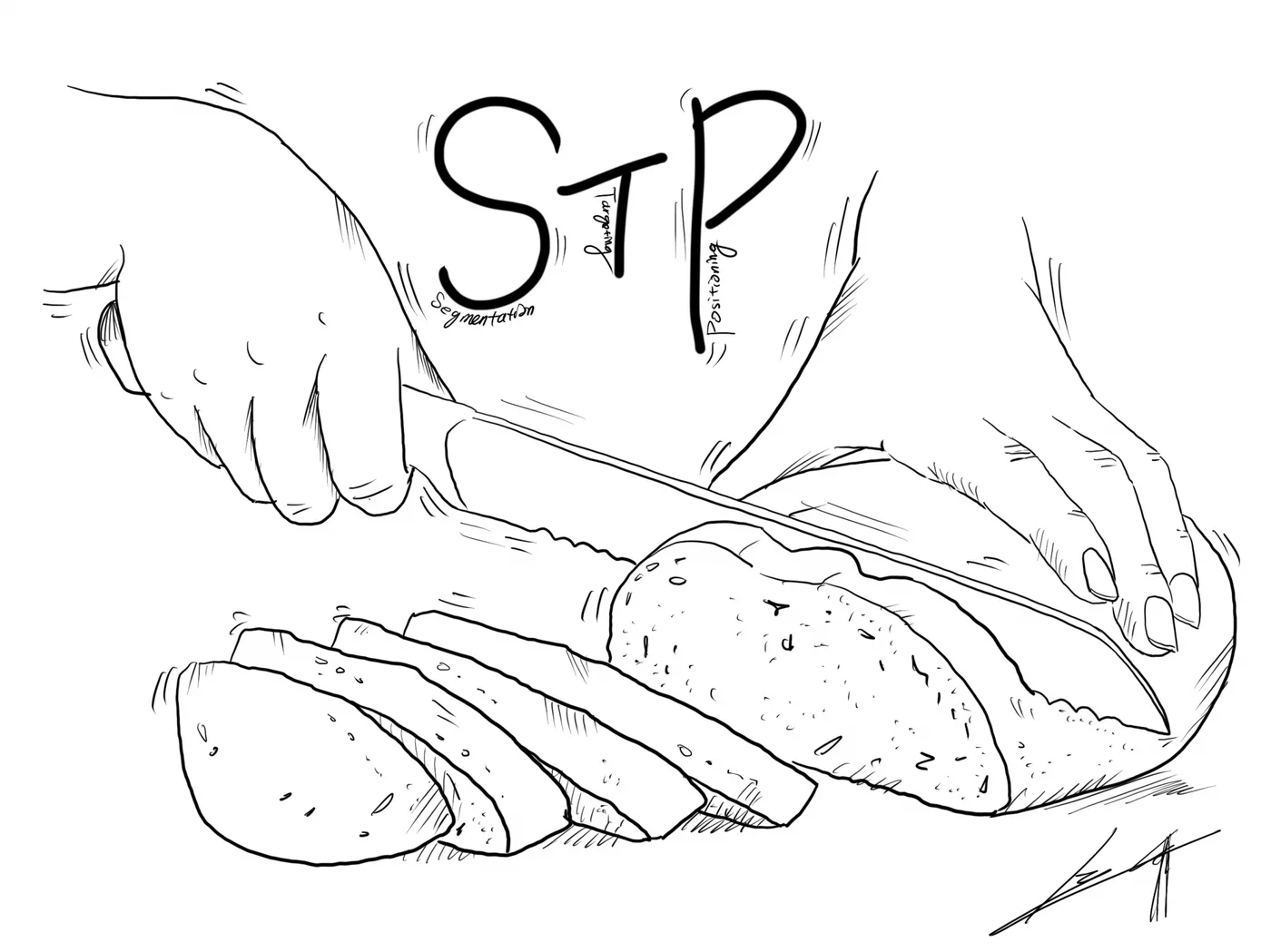
My hand-drawn illustration of 'STP'
The foundation of marketing strategy is STP: Segmentation - Targeting - Positioning. In B2C, you can segment by demographics such as gender, age, income, and education, by geography, or by lifestyle. Say you segment consumers of 'color cosmetics' by gender, age, and region, and then target the slice 'middle school girls in Daejeon.' You would research their purchasing power, find the 'value' they care about most in color cosmetics (e.g., color payoff), then find the channels that reach them best (e.g., TikTok, Instagram, YouTube Shorts), invest resources in a suitable format (e.g., short videos), and set a price (e.g., KRW 8,900 (≈ US$7)). Even for the same color cosmetics, if the buyer is a father in his late 40s buying a once-a-year gift for his middle-school daughter, the approach changes completely. You would find the 'value' he cares about most (e.g., safety), find the channels that reach him best (e.g., YouTube, Facebook), invest resources in a suitable format (e.g., a 5-minute video with an explanation from a respected doctor), and set a price (e.g., KRW 89,000 (≈ US$67)).
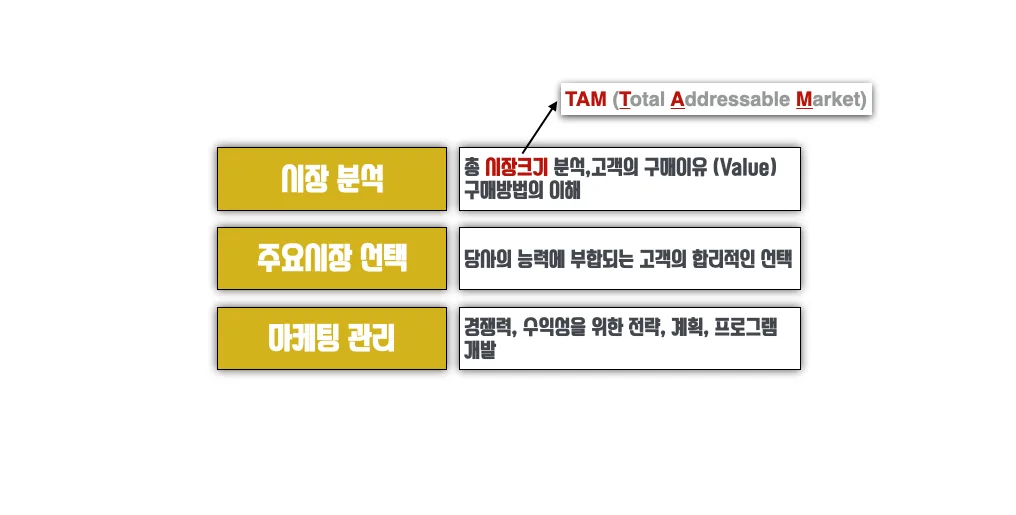
For B2B STP, there is one thing you must do first: 'market analysis'. Analyze the total market size before you enter. Suppose you spend KRW 10 billion (≈ US$7,481,700) developing equipment parts for a specific domestic industry, only to find the whole market is worth KRW 5 billion (≈ US$3,740,800) a year. Your targeting was wrong, and the marketing planning team is responsible. You also need to understand why customers buy. Is it 'cost reduction'? 'Production efficiency'? 'Fast delivery'? 'New product development'? Once the market analysis is done, B2B differs from B2C: you will see clear target 'customers' rather than broad target 'markets'. Deciding the order of approach is the CEO's job. Do you go after major accounts first, which take a lot of cost, effort and time but pay off big, or start with smaller customers you can win easily? Choose customers that fit your company's capabilities, so you don't overstretch. A wrong choice can mean heavy losses, opportunity cost included. Once you have chosen your key market, move on to 'marketing management'. Confirm how competitive your product is, build a strategy to secure profitability, draft an action plan and execute it. When problems come up during execution, 'agility' matters too: improve quickly and try again.
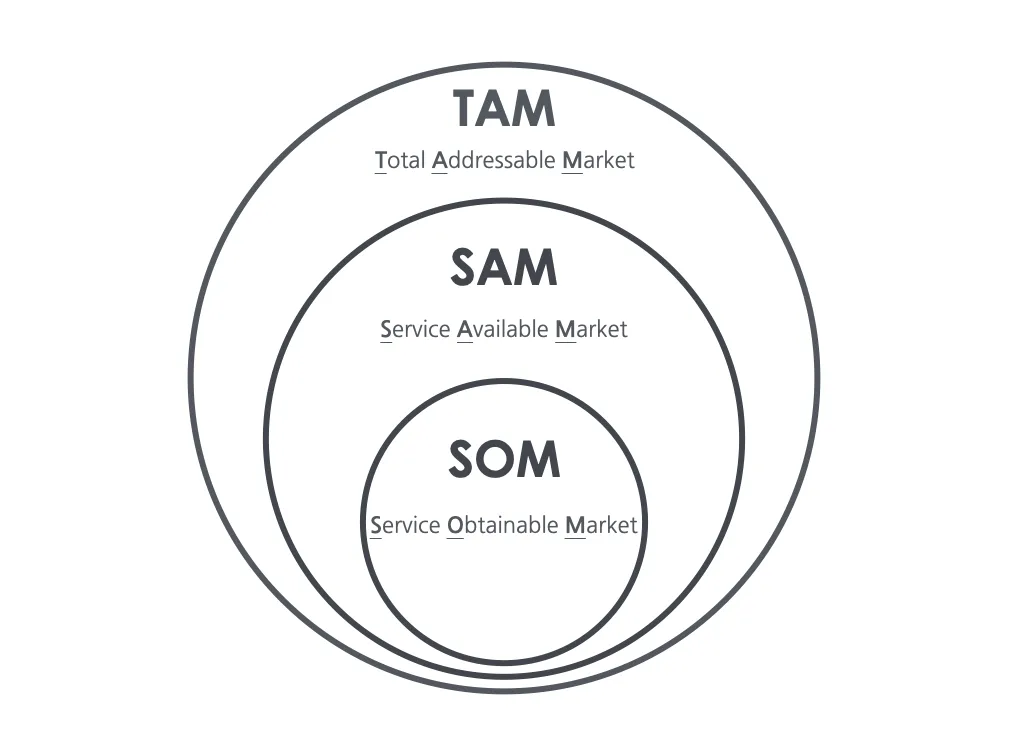
To analyze the size of a B2B target market, TAM-SAM-SOM works well. TAM is the Total Addressable Market, the 'whole market'. In B2B you can identify every customer company, and even find their factories, lines and number of machines. Say Company A plans to supply parts for a specific type of equipment used by Taiwanese semiconductor makers. You can easily find the Taiwanese chipmakers, and also their total number of lines and the types and numbers of equipment. If you give up because "that information is confidential, how would I get it?", I would say Company A has no real intention of developing the market. Once you have the lines, equipment types and unit counts for every customer, you can derive annual parts demand from utilization. If you captured 100% of the Taiwan market, that would be your TAM (Total Addressable Market). Let's assume it is a market worth KRW 100 billion (≈ US$74,816,700) a year.
SAM stands for Service Available Market, the 'serviceable market.' It is the size of the market Company A can actually go after. Suppose you check a Taiwanese semiconductor maker's equipment and find a mix of US, German, and Japanese tools, and the parts Company A can supply are for US equipment. If US equipment holds a 50% share, the parts demand calculated from those tools' operating conditions is the SAM (Service Available Market). It has nothing to do with surface-to-air missiles. Let's assume, for example, a market of KRW 50 billion (≈ US$37,408,300) a year.
SOM stands for Service Obtainable Market, the 'survival market.' It asks what percentage of the Taiwanese semiconductor makers using US equipment you can win early on. You would need to decide whether to break in first with memory makers whose lines and equipment resemble those of Samsung Electronics and SK Hynix in Korea, or with foundries. You also have to weigh your technology level, capacity, and service responsiveness. Suppose you decide to start with memory makers, that market is KRW 10 billion (≈ US$7,481,700) a year, and the share you can capture within two years is KRW 3 billion (≈ US$2,244,500). Then you have to decide: is supplying parts for US equipment to Taiwanese semiconductor makers the right strategy? Can you beat local Taiwanese suppliers? You need to check these in detail. B2B marketing is a constant exercise in choosing and focusing. A wrong choice can easily turn into a crisis.
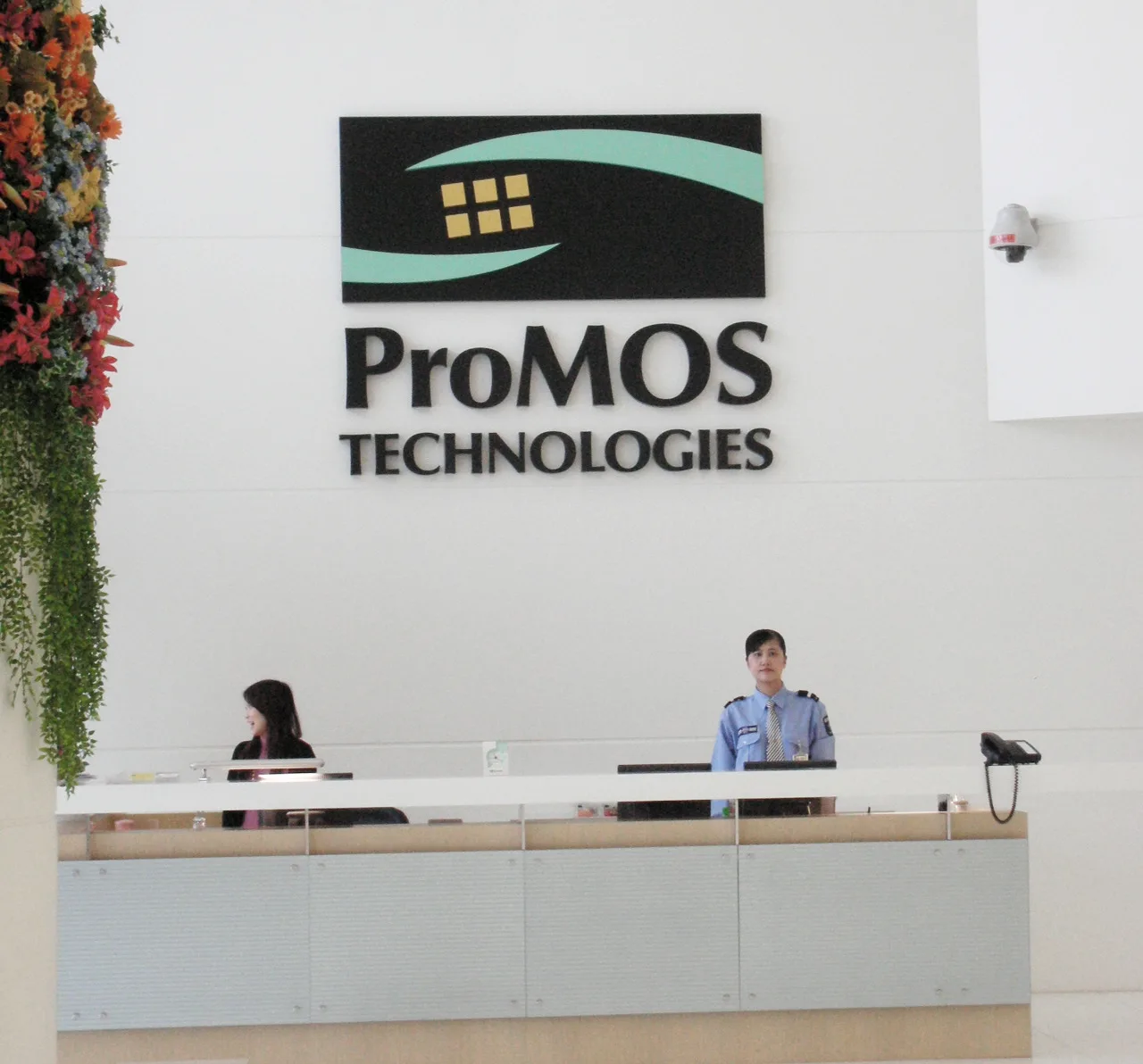
ProMos, the Taiwanese memory maker I visited in person on 13 Apr 2007
To be continued