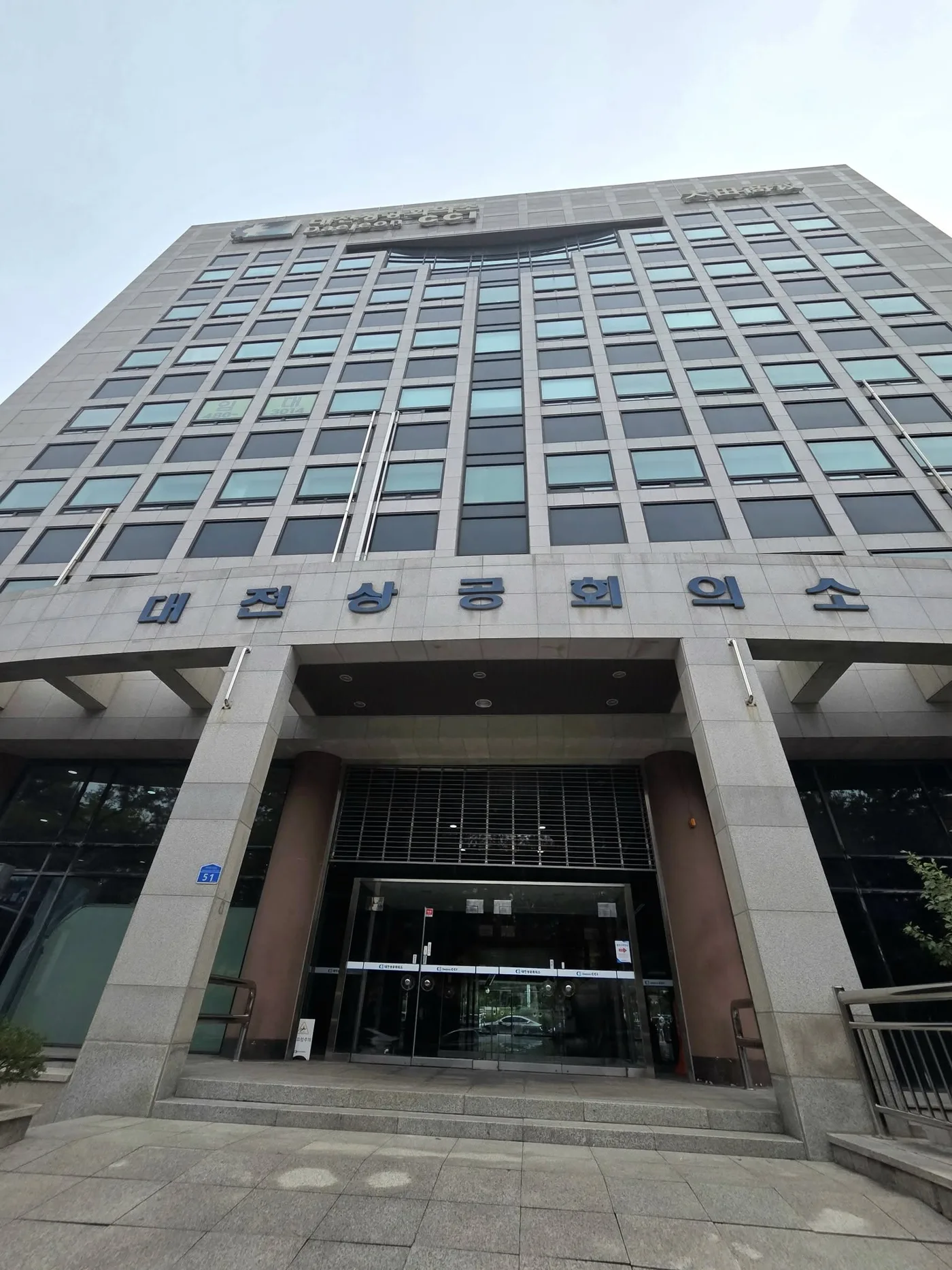
A review of our on-site training at the Daejeon Chamber of Commerce.
The planner’s new role in the AI era
– Planning Training at the Daejeon Chamber of Commerce and Industry It’s time to redesign the “center of work” in planning
Today at the Daejeon Chamber of Commerce and Industry, we ran a full-day training on “planning” with employees of regional mid-sized companies.
This training was not just about writing better documents. It was a chance to think together about what role planners should play as AI changes the way we work.
We built the session around the “hybrid planner,” a new paradigm in which people and AI collaborate, and pinpointed the practical turning points.
It’s time to rethink how we frame planning
The planning methods we knew are reaching their expiration date.
Market research, competitor analysis, document drafting, first-draft presentations… AI can already handle much of all this.
So what about people?
The work left for people is getting closer to what matters most.
Interpretation, insight, judgment, and strategic decision-making: these are now the core competencies of a planner.
Training starts with a shared understanding of the paradigm shift. Today’s session began that way.
“Planning is now about thinking.” At first the participants found this a little unfamiliar, but they soon came to agree.
Participants practiced interpreting an AI-generated research report from their own perspectives and drawing out strategic options for each situation, and grew comfortable with the new approach.
How the roles of AI and people are changing
Work area AI’s role Human’s role Information gathering Fast, broad data collection Understanding context across sources Research synthesis Summarizing, organizing, visualizing Judging importance and setting direction Planning draft Auto-generating a structured draft Strategic revisions and final direction Report writing Document formatting, error correction Emphasizing key messages and making the final call Using this table, we compared several cases and clearly separated what AI does well from what people must still do.
The keyword for the new planner: hybrid. It is not enough to use tools well; we need people who can judge what AI produces.
We decided to call this the “hybrid planner.”
Planners use AI as a tool, then layer their own interpretation and intent on top of it.
Throughout the training, we stressed that planners now need to work with their minds, not their hands.
Participant feedback: “Now I know what I should be thinking about.” “Until now I focused on what data to collect, and where and how. From here, I need to focus more on how to interpret that data.” “I had tried AI tools but felt lost. Separating the roles the way we did today made the whole picture clear.” The response in the room was enthusiastic.
Most participants said, “Now I know what to prepare for.” Even after the session, they asked more about shifting how they think than about how to use the tools.
A planner’s work won’t shrink; only the more important work remains
Thanks to AI, a planner's workload can certainly shrink.
Ironically, though, the planner's responsibility has only grown heavier.
Because the final judgment still belongs to people.
Going forward, planners need to work less and judge more deeply.
We believe that shift began in today’s training.
3x3 Markdown table example Planning area Old approach New direction Information research Manual research Automated AI collection Document writing Writing by hand Auto-generated draft + editing Strategy design Experience-based Data + interpretation-driven judgment