Understanding Gen MZ & Emotional Leadership (for Gen MZ)
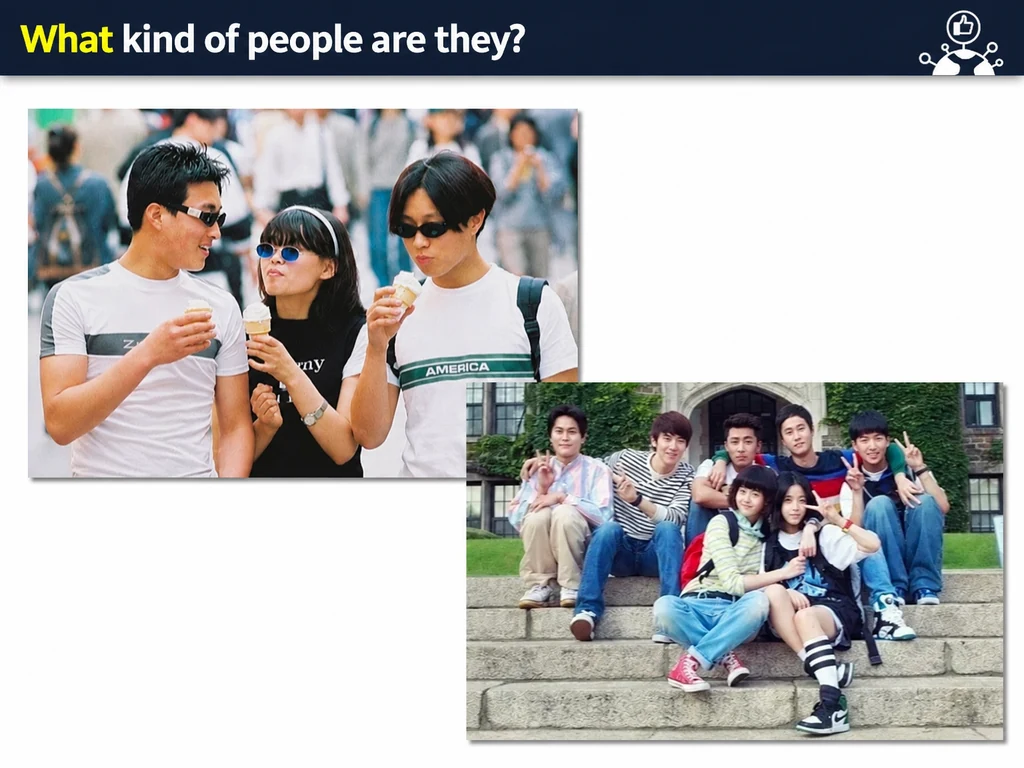
A customized emotional leadership program for Millennials and Gen Z that builds communication and collaboration skills with Gen X in just 2 hours. Taught by John Kim, CEO of Nanum Consulting, it combines the 'Adapt' module, which helps you understand and adjust to generational differences, with the 'Empathy' module, which builds empathy-driven follow-through. This hands-on program helps younger professionals resolve generational conflict at work and build a collaborative culture grounded in mutual respect and understanding. You will gain the core skills to break down generational communication barriers and lead with empathy to improve organizational performance. The curriculum is proven through training experience with 50+ major corporations and institutions.
Who is this course for?
This course is designed to help Millennial and Gen Z employees communicate smoothly with Gen X managers and colleagues. It is especially well suited to team members who are experiencing generational conflict or need to improve teamwork.
What will you learn?
- Improve communication and collaboration with Gen X
Curriculum
- Traits of the 1970s, 1980s, and 1990s Generations
- → Born in 1975: caught between the college entrance exam, the IMF crisis and the financial crisis (the sandwich generation)
- Rapid Change: Individuals, Companies, Society
- → Change the Driver: Millennials and Gen Z (internal and external customers)
- Understanding Gen X (Quiz)
- Am I an Out-of-Touch Boss? (Checklist)
- Working with Those Born in the 1970s
- → Why they work, how they see things, and their work style
- The 1970s Generation in Depth: Where They Came From (Empathy)
- Emotional Leadership / Elements of Emotional Intelligence
- → Self-awareness, self-management, social awareness, social skills
- Super STAR Model (Action Plan)
- Self Talk: Recognize Your Own and Your Team’s Limits, Build Empathy (Praise)
- Stop: Control Emotions and Impulses (Time & Space), No Blame or Reprimand
- Target: Empathize with and Respect Followers’ Goals and Roles & Responsibilities (Forms of Address)
- Ask: Analyze the Causes of Conflict (e.g., Work-Life Balance, Expectations of Rewards)
- Rule Reminder: From Coercion and Avoidance to Cooperation and Compromise (Share the Vision)
- Communication Basics: Listening, Praise, Questions
- Remind! Focus on These Basics (Action Guidelines)
Expected results / After the course
- Communication Skills for Working with Gen X
On-site training references
About the instructor

Related courses
We tailor this course to your company
From diagnosis to execution — Nanum Consulting
FAQ

Understanding Gen MZ & Emotional Leadership (for Gen MZ)
A customized emotional leadership program for Millennials and Gen Z that builds communication and collaboration skills with Gen X in just 2 hours. Taught by John Kim, CEO of Nanum Consulting, it
- Improve communication and collaboration with Gen X
- Communication Skills for Working with Gen X
- Traits of the 1970s, 1980s, and 1990s Generations
- → Born in 1975: caught between the college entrance exam, the IMF crisis and the financial crisis (the sandwich generation)
- Rapid Change: Individuals, Companies, Society
- → Change the Driver: Millennials and Gen Z (internal and external customers)
- Understanding Gen X (Quiz)
- Am I an Out-of-Touch Boss? (Checklist)
- Working with Those Born in the 1970s
- → Why they work, how they see things, and their work style
- The 1970s Generation in Depth: Where They Came From (Empathy)
- Emotional Leadership / Elements of Emotional Intelligence
- → Self-awareness, self-management, social awareness, social skills
- Super STAR Model (Action Plan)
- Self Talk: Recognize Your Own and Your Team’s Limits, Build Empathy (Praise)
- Stop: Control Emotions and Impulses (Time & Space), No Blame or Reprimand
- Target: Empathize with and Respect Followers’ Goals and Roles & Responsibilities (Forms of Address)
- Ask: Analyze the Causes of Conflict (e.g., Work-Life Balance, Expectations of Rewards)
- Rule Reminder: From Coercion and Avoidance to Cooperation and Compromise (Share the Vision)
- Communication Basics: Listening, Praise, Questions
- Remind! Focus on These Basics (Action Guidelines)